



Here are the most common changes pet parents have seen:





Food is one of the most important choices you can make for your pet, and raw pet food is the pinnacle of pet nutrition. Our raw recipes are minimally processed, protein-packed, and never cooked to keep more nutrients intact than cooked pet food.
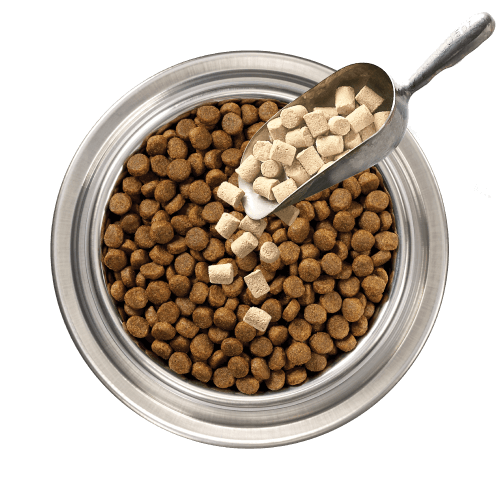
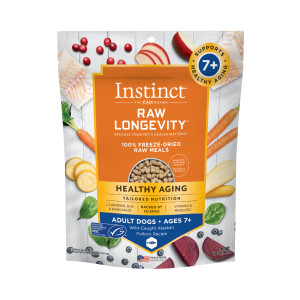
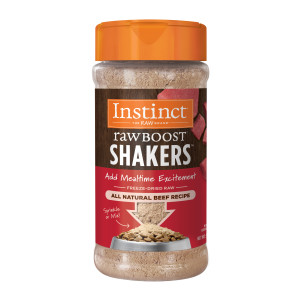
At Instinct, we provide a variety of ways to add raw to your pet’s routine. That includes frozen raw meals, freeze-dried raw meals, raw toppers, kibble boosted with raw, and more. Because raw diets don’t have to be all-or-nothing for your pet to reap the raw benefits.
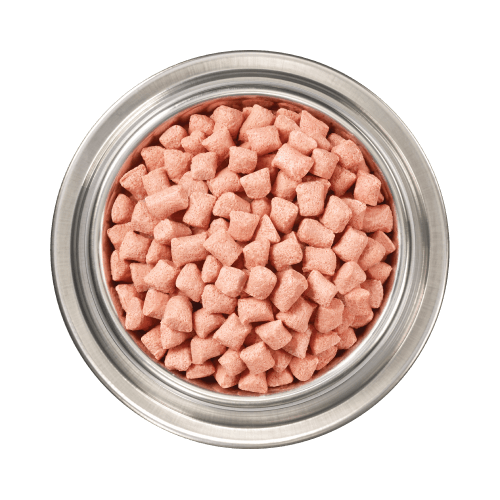
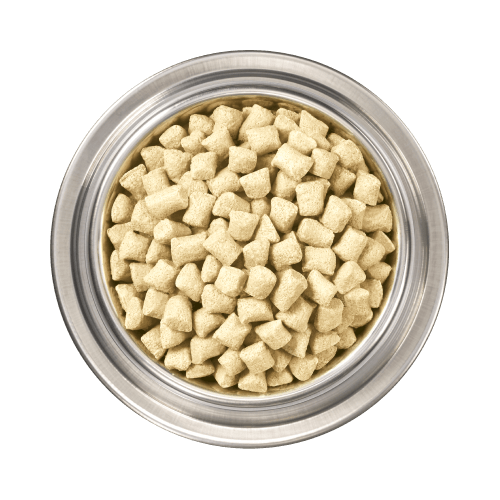
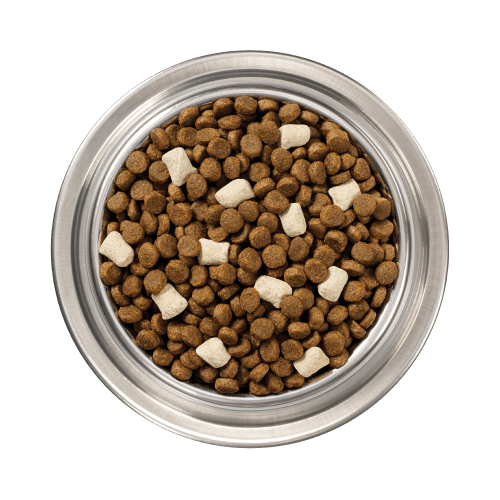
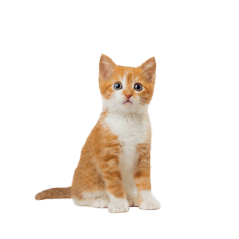
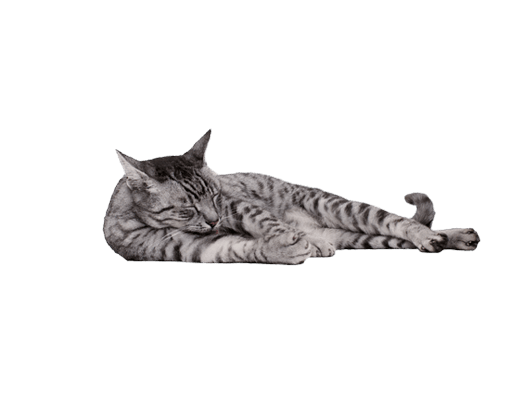
Dog people to the left. Cat people to the right. Pick the pet you’re shopping for, and we’ll get you started on your raw journey.
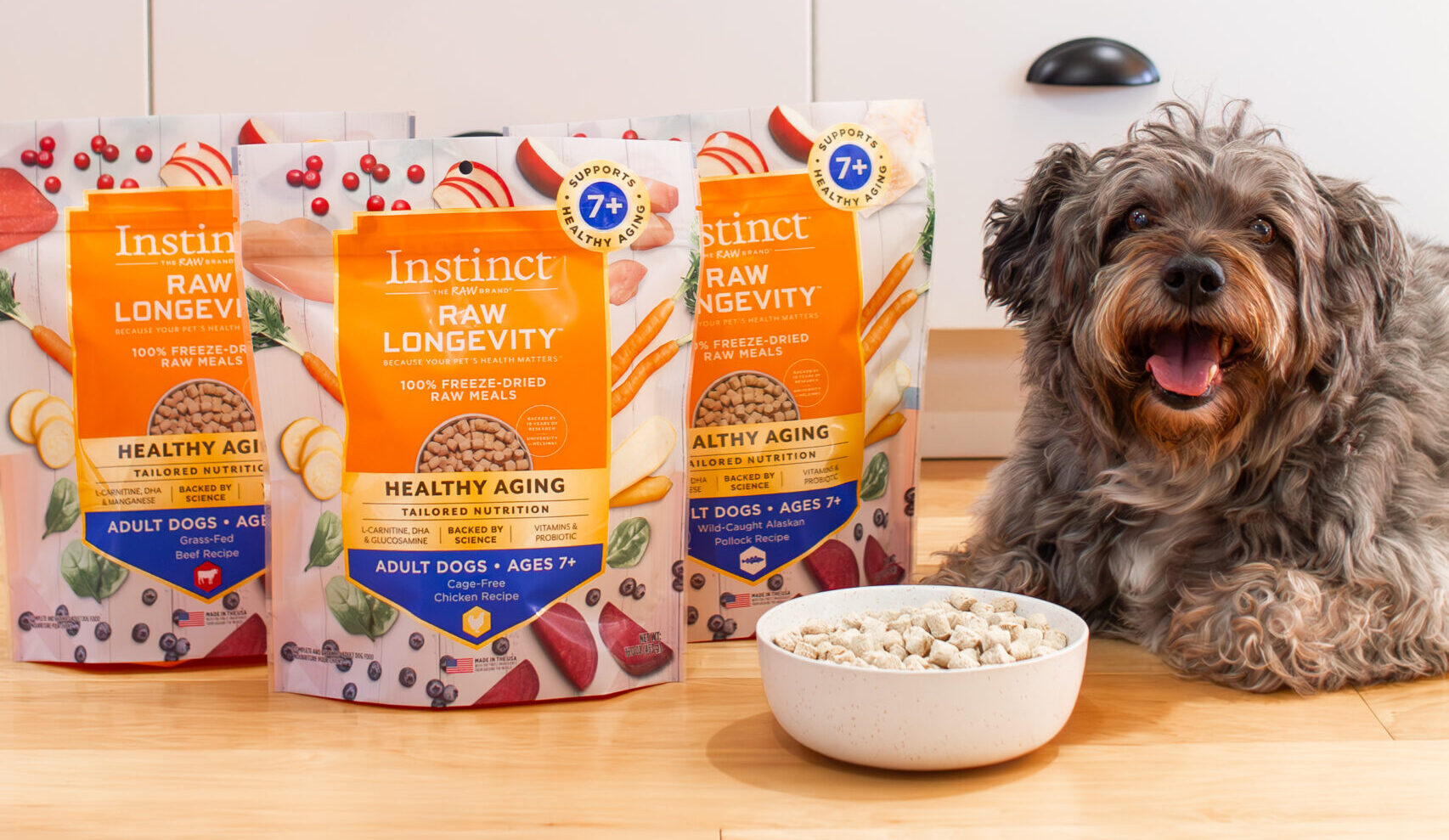
“Within 6 months on your food his coat is shinier than ever, he sheds less, and has WAY higher energy!”
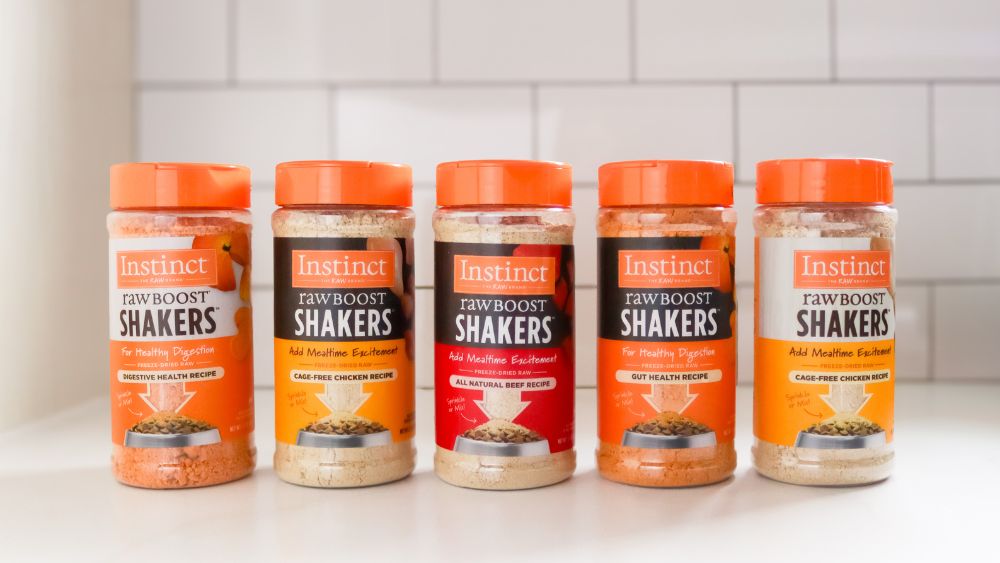
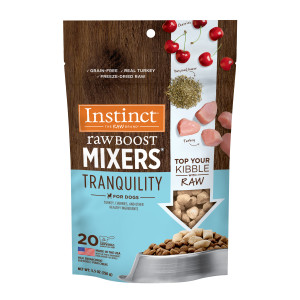
“Tucker was experiencing constipation and Theo had diarrhea, so Raw Boost Mixers for Gut Health caught my eye. Within 24 hours, they were back to their healthy selves. It truly was a miracle worker – they have had healthy poops since I have started using this product.”
“No more excessive stinky gas, no more bald spots from her biting herself to alleviate itchy hotspots, and her bowel movements are smaller and way less smelly than before.”

At Instinct, we are proud of all our recipes. But if you want to know what we feed our own pets, we’ve rounded up a few of our favorites.
Our site uses cookies to improve the website experience, products, to personalize content and ads, to provide social media features and analyze our traffic. By agreeing to the use of cookies on our website, you direct us to share information about your use of the website with our social media, advertising and analytics service providers. For more information, please see our Privacy and Cookie Policy.
Accept



Follow Us on Social